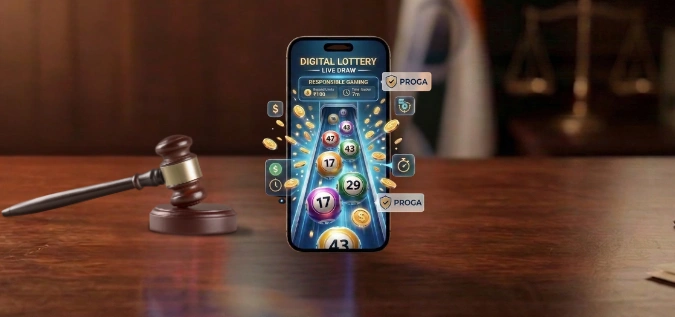

Convenience has made digital entertainment easier to reach, but easier access also makes careful decision making more important. The lottery-style section is a good example because draw information, ticket clarity, schedule awareness, and expectation management can quickly shape whether a session feels understandable or confusing. Readers may use TX88 as one starting reference, but no single homepage should replace a broader review of information, limits, and personal habits. The goal of this article is to explore convenience without confusing constant access with better use. A thoughtful user looks at simple number selection, ticket-history visibility, and the practical consequences of staying longer than originally planned. The strongest starting point is therefore simple: know what you came to do, know what information you need, and decide in advance what will make you stop.
Convenience Changes the Rhythm of the Online Lottery Experience
Clarity matters because every extra moment of uncertainty increases the chance of a rushed or mistaken choice. A user should be able to identify clearly displayed draw times, compare it with simple number selection, and return to the previous screen without losing context. Readable spacing, consistent button behavior, and plain explanations reduce the need to rely on assumptions. Users should notice whether ticket-history visibility supports attention or simply pushes them toward faster decisions. A short pause before the first meaningful action can expose missing information that would otherwise be noticed too late. That pause is not wasted time; it is part of using a digital service with intention.
Small-Screen Design and Better Navigation
Finding a feature is only the first part of navigation; understanding what happens after selecting it is equally important. In this area, result organization and budget-first participation are useful points to observe because both affect the rhythm of a session. A simple menu hierarchy is often more useful than dozens of overlapping shortcuts. It is also wise to locate account settings, help resources, and transaction history before they are urgently needed. That preparation turns navigation into a practical safety tool rather than a cosmetic feature. For a online lottery experience, good discovery should support informed use without making the user feel pushed toward constant activity.
Exploring the Lottery-Style Section With More Deliberate Choices
Once users reach the core activity, the quality of information becomes more important than the speed of access. For this category, attention should be given to clearly displayed draw times, simple number selection, and ticket-history visibility. Together, these details shape the difference between deliberate use and a sequence of automatic clicks. Readers who want to view the relevant category directly can use Xổ số TX88 as a reference point while applying the same standards of clarity, limits, and careful review. After that, result organization becomes important because attention often changes once the session has already started. Lottery outcomes are random, and buying more entries never creates certainty or a dependable income strategy. The combination of budget-first participation and realistic probability awareness can create a useful stopping structure. No interface can make an uncertain activity certain, so the user’s boundaries remain the most important control.
Turning Mobile Speed Into Controlled Use
Small-screen access is now normal, yet the smaller display changes how people notice information and make decisions. If clearly displayed draw times and ticket-history visibility become harder to interpret on mobile, convenience may come at the cost of better judgment. A focused session is easier to control when notifications, social messages, and other interruptions are reduced. Before opening the app or site, it helps to decide the exact purpose of the visit and the maximum time available. The planned end of a session should be decided before excitement or frustration changes the mood. A brief pause after any strong emotional moment gives the user a chance to check whether the next action still fits the original plan. The device should save effort, not make stopping feel inconvenient.
Protecting Personal Devices and Account Access
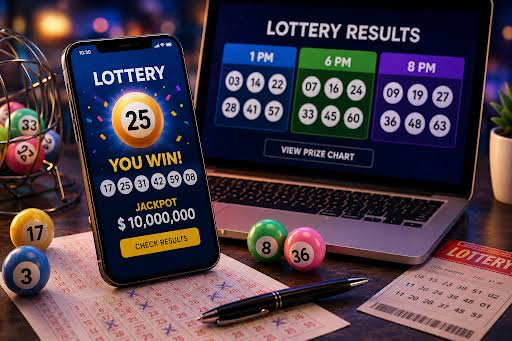
A secure experience depends on what the user does before, during, and after signing in. A unique password and a protected email account form the basic foundation, while verification codes should never be shared in chat or screenshots. A strong screen lock and updated device software add another layer of protection for mobile users. When budget-first participation is relevant, users should keep a simple record instead of relying entirely on memory. Useful records may include dates, reference numbers, confirmation messages, and a brief note describing what happened. Documentation is especially helpful when a routine process takes longer than expected. Good security is repetitive by nature, and that repetition is exactly what makes it reliable.
Keeping Entertainment Budgets Separate
Whenever money is connected to entertainment, planning should happen before emotion enters the decision. Funds needed for rent, food, debt, education, medical needs, or family responsibilities should never be treated as an entertainment budget. Users who practice budget-first participation give themselves a concrete point at which to stop and review. A difficult result should not be answered with larger risks simply to change the feeling of the session. It is also useful to distinguish between money available in an account and money that is genuinely affordable to lose. A stop point should remain valid whether the session feels successful, disappointing, or unfinished. Lottery outcomes are random, and buying more entries never creates certainty or a dependable income strategy. The healthiest financial expectation is therefore simple: the activity is optional entertainment, not income, investment, or debt recovery.
Creating Limits That Survive Strong Emotions
Responsible participation becomes real only when limits are specific enough to guide an actual decision. Users can turn budget-first participation and realistic probability awareness into repeatable habits rather than emergency reactions. Participation should stop when it leads to borrowing, secrecy, repeated broken limits, or neglect of work and relationships. A break is a valid decision even when the user originally expected to stay longer. Talking with a trusted person or a qualified support service can be appropriate when control feels difficult or the activity causes distress. Age restrictions and local laws also matter, so people should only participate where the activity is lawful and permitted for them. The goal is not to remove all enjoyment; it is to prevent entertainment from taking control of priorities.
Conclusion
Convenience is valuable when it saves effort, but it becomes more useful when paired with boundaries, attention, and deliberate choices. For the lottery-style section, that means paying attention to draw information, ticket clarity, schedule awareness, and expectation management without treating uncertain outcomes as promises. Practical habits such as clearly displayed draw times, budget-first participation, and realistic probability awareness can make the experience easier to understand and review. Account protection, accurate records, realistic budgets, and respect for local rules remain relevant regardless of device or platform design. Technology can make access smoother, yet the final decision still belongs to the individual. The best standard is therefore simple: the activity should remain optional, understandable, affordable, and easy to leave.